Drone Insurance Basics for Remote Pilots
By Michael Chen · Published · 3 minutes read

Flying a drone for work or recreation carries financial risk. A crash into a crowd or a collision with a manned aircraft could lead to claims far beyond the cost of your equipment. Insurance is often the first line of defense.
This article breaks down the main types of drone insurance, typical costs, and what to consider when choosing a policy. Whether you fly under Part 107 or just for fun, understanding coverage helps you protect your assets.
Why Drone Insurance Matters
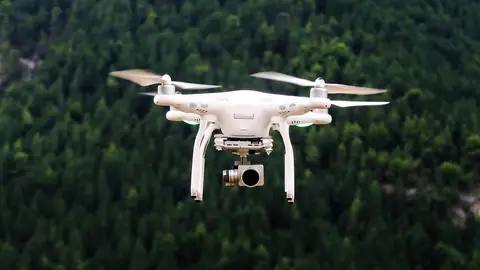
Drones are not just expensive toys; they are aircraft that can cause serious damage or injury. Even a small quadcopter falling from 400 feet can dent a car or injure a person. Without insurance, you could be personally liable for medical bills, property repairs, or legal fees.
Many commercial clients, venues, and landowners now require proof of insurance before allowing drone operations on their property. For commercial pilots, a liability policy is often a cost of doing business, similar to maintaining a business license.
Hobbyists may think their homeowner's policy covers drone accidents, but that is rarely true. Most homeowner policies exclude aviation-related incidents, leaving a gap you might not discover until it's too late.
- Third-party injuries or property damage can exceed $10,000 in a single incident.
- Commercial contracts often mandate minimum coverage amounts.
- Homeowner policies typically exclude drone-related claims.
Types of Drone Insurance Coverage
Drone insurance falls into two main categories: liability and hull. Liability covers damage or injury to others, while hull covers the drone itself. Liability is the more critical coverage because claims from third parties can be financially devastating.
Hull coverage reimburses you for repair or replacement of your drone after a crash, theft, or water damage. Deductibles usually apply, and policies may exclude certain high-risk activities like flying over crowds or in restricted airspace.
Some insurers offer combined policies that bundle both. There are also specialized policies for commercial operations, covering equipment, non-owned drones, and even loss of income if your drone is grounded.
- General liability: covers bodily injury and property damage to others.
- Hull insurance: covers physical damage to your drone.
- Commercial policies: may include equipment floater, non-owned coverage, and business interruption.
What Drone Insurance Typically Costs
Costs vary widely based on coverage type, drone value, and pilot experience. For hobbyists, a basic liability policy might cost $100–$300 per year for $1 million in coverage. Commercial liability for a small operation often runs $500–$1,500 annually for $1 million.
Hull coverage is priced as a percentage of the drone's value, often 5–10% per year. For a $2,000 drone, expect to pay $100–$200 annually for hull coverage with a $500 deductible. Higher-value drones or those used in high-risk environments will cost more.
Pay-per-flight or on-demand insurance is gaining popularity, especially for occasional commercial pilots. Rates can be as low as $10–$30 per flight for basic liability, making it accessible for part-timers.
- Liability: $100–$300/year for hobbyists; $500–$1,500/year for commercial.
- Hull: roughly 5–10% of drone value annually.
- On-demand: $10–$30 per flight for liability.
When Insurance Is Required
Under FAA Part 107, commercial drone operators are not federally required to carry liability insurance, but many states and local jurisdictions have their own rules. More importantly, clients and property owners often demand it.
For hobbyists, insurance is rarely mandatory, but flying at clubs or events may require it. If you fly under the recreational exception, you are still responsible for any damage you cause, so insurance is a smart safeguard.
If you hire subcontractors or fly drones you don't own, you'll need non-owned coverage. And if you're flying for a company, check whether their policy extends to your operations.
- Part 107 does not mandate insurance, but many clients do.
- Local ordinances may require proof of insurance for commercial flights.
- Non-owned coverage protects you when flying someone else's drone.
Choosing the Right Policy
Start by assessing your risk exposure. If you fly only in remote areas over your own property, basic liability may suffice. If you fly over people or near valuable assets, consider higher limits and hull coverage.
Read the fine print: exclusions for autonomous flight, night operations, or flying in certain zones can leave you uncovered. Also check whether the policy covers your specific drone model and any attachments like cameras or sensors.
Compare quotes from several insurers and ask about deductibles, claims process, and whether they cover replacement cost or actual cash value. A cheaper premium with a high deductible might cost more in the long run.
- Match coverage to your flying environment and client requirements.
- Check exclusions carefully—many policies exclude autonomous or night flights.
- Consider replacement cost vs. actual cash value for hull claims.
How Insurance Fits Your Overall Risk Management
Insurance is one part of a broader safety strategy. Regular maintenance, pre-flight checks, and thorough record-keeping reduce the likelihood of incidents. Keeping a detailed flight log can also help with claims.
If you're planning a live event, insurance is essential; see our guide on how to plan a drone live event for specifics. And always follow a solid maintenance schedule to keep your aircraft in top condition.
For commercial pilots, maintaining flight logs and understanding licensing costs are also important. Our articles on flight log requirements and commercial drone license cost can help you stay compliant and budget effectively.
- Insurance complements good maintenance and flight discipline.
- Detailed logs can support insurance claims and demonstrate professionalism.
- Budget for insurance alongside other operational costs like licensing and maintenance.
| Coverage Type | Typical Annual Premium | Typical Coverage Limit | Best For |
|---|---|---|---|
| Hobbyist Liability | $100–$300 | $1M per occurrence | Recreational pilots |
| Commercial Liability | $500–$1,500 | $1M–$2M per occurrence | Part 107 operators |
| Hull Coverage | 5–10% of drone value | Drone value | Protecting your equipment |
| Combined Liability + Hull | $600–$2,000 | $1M liability + hull | Commercial pilots wanting full protection |
| On-Demand Liability | $10–$30 per flight | $1M per flight | Occasional commercial flights |
- Liability insurance is the most critical coverage for drone pilots, protecting against third-party claims.
- Hull coverage is optional but wise for expensive drones, costing roughly 5–10% of the drone's value per year.
- Commercial pilots often pay $500–$1,500 annually for liability, while hobbyists can find policies for $100–$300.
- Always check policy exclusions and consider on-demand insurance for occasional commercial flights.
Michael is a remote pilot and editor with years of experience in drone operations and regulation. He focuses on providing practical guidance to both hobbyists and commercial pilots. His aim is to make complex rules accessible to everyone.