Drone Laws for Hobbyists: Rules You Actually Need to Know
By Michael Chen · Published · 6 minutes read
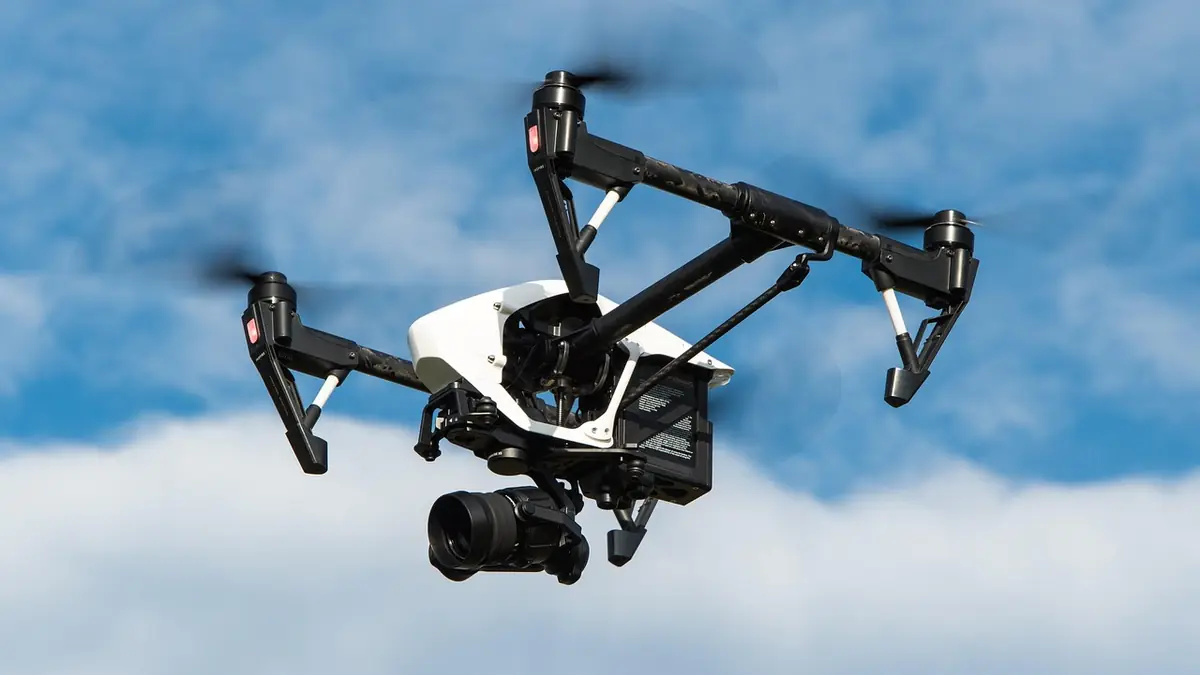
Recreational flying in the US is simpler than commercial work, but it is not unregulated. Since the 2018 rule changes, hobbyists fly under the statutory exception in Section 44809, and the FAA expects you to know the conditions attached to it before the props spin.
Most violations we see from hobby pilots are small, avoidable mistakes: flying just above 400 feet near a park, skipping registration on a 300-gram drone, or treating an app's map as the final word on airspace. This guide covers what the rules actually require and where the gray areas sit.
Registration: Weight Limits and Where to Do It
Any drone that weighs 0.55 lb (250 g) or more at takeoff, including the battery, must be registered with the FAA before it flies outdoors. That covers most camera drones on the market; a DJI Mini-class aircraft sits close enough to the line that you should weigh it with prop guards and a larger battery attached rather than trust the spec sheet.
Recreational registration costs $5 and covers every drone you own for personal use under one number, which you must affix to the airframe. It is valid for three years. Registration is done through the FAA's online portal, and you will need to provide your name, address, and email. Renewal is not automatic, so set a reminder.
Flying an unregistered drone above 250 g is a civil penalty matter, and fines can run into the thousands even for a first offense. There is no grace period and no 'I only flew it once in my yard' defense if the aircraft leaves the ground outdoors. If you own several drones, keep a simple log of which number is on which airframe—it saves confusion during a ramp check or an insurance claim.
- Weigh the drone as flown: airframe, battery, prop guards, payload
- One $5 registration number covers all your recreational drones
- Renew every three years; expired numbers count as unregistered
- Mark the number on the outside of the airframe, not inside the battery bay
The TRUST Test and the Knowledge You Are Expected to Have
Before your first recreational flight, you must pass the FAA's TRUST test—an online aeronautical knowledge and safety exam offered free by approved administrators. It is not a certificate and it does not expire, but you are required to carry proof of completion, digital or printed, when you fly. The test takes most people 30 to 60 minutes and is open book.
TRUST is lighter than the Part 107 exam, but it is not a formality. The questions cover airspace classes, right-of-way, weather, and the limits of the recreational exception. Passing it does not make you a certified remote pilot, and it does not authorize commercial work, aerial inspection, or any flight that benefits a business—even unpaid.
Keep the completion record with your registration and your aircraft logbook. If you later move into paid work, the gap between TRUST and a Remote Pilot Certificate is significant; see our step-by-step guide to getting a Remote Pilot Certificate for what the Part 107 path actually involves.
| Requirement | Recreational (Section 44809) | Part 107 |
|---|---|---|
| FAA registration | Required above 250 g; $5, one number for all drones | Required above 250 g; per-aircraft registration |
| Knowledge test | Free online TRUST test, no expiration | Knowledge test at a testing center, certificate valid 24 months |
| Altitude limit | 400 ft AGL | 400 ft AGL, waivable |
| Visual line of sight | Required, unaided | Required, or via waiver for extended operations |
| Night flying | Allowed with anti-collision lighting visible 3 SM | Allowed with anti-collision lighting and training requirements |
| Operations over people | Not permitted outside your flight crew | Allowed under category limits or waiver |
| Paid or business use | Not permitted | Permitted within the rules |
Airspace: Where Hobby Flights Are Allowed
Recreational flights must stay in Class G airspace unless you have prior authorization through LAANC or a written agreement. In practice, Class G is the uncontrolled airspace away from airports, usually below 700 or 1,200 feet depending on the chart. Most city parks, suburban fields, and rural areas fall inside it; most of the airspace within a few miles of a towered airport does not.
The FAA's B4UFLY app and LAANC tools are the starting point, not the finish line. They show airspace and facility maps, but they do not show local ordinances, state park rules, or landowner restrictions. A green map tile can still mean a city ordinance bans takeoff from that park, or that a wildlife area prohibits drones outright.
Temporary flight restrictions appear with little notice—wildfires, VIP movements, stadium events, and disaster response all generate them. Check before every flight, not just on weekends. Flying inside a TFR is one of the fastest ways to attract enforcement, and 'the app didn't warn me' is not a defense.
- Class G only, unless LAANC authorization is granted
- Check TFRs within an hour of launch
- Stadiums and major sporting events: no flight within 3 nautical miles, one hour before to one hour after
- National parks: takeoff and landing prohibited; some tribal and state lands have their own bans
Visual Line of Sight, Altitude, and Right of Way
You must keep the drone in unaided visual line of sight at all times—no binoculars, no first-person-view goggles alone, no relying on a spotter's phone screen. 'Unaided' means your eyes, though prescription glasses are fine. Practical VLOS for a typical consumer drone is roughly 1,200 to 1,800 feet in good conditions, often less against a bright sky or tree line.
Recreational flights are capped at 400 feet above ground level. That ceiling is not a target; if terrain rises, the limit rises with it, but flying at the cap near an airport or a populated area is asking for trouble. Keep well clear of manned aircraft and yield right of way to everything—planes, helicopters, gliders, and even other drones operating commercially.
Do not fly over people who are not part of your flight, and do not fly from a moving vehicle unless you are in a sparsely populated area and the operation is incidental. Flying at night is permitted recreationally but requires anti-collision lighting visible for at least 3 statute miles, and night flight raises the risk profile enough that a pre-flight checklist earns its keep.
Community Guidelines and the Recreational Exception
Section 44809 requires that you fly within the safety guidelines of a recognized community-based organization, such as the AMA. Those guidelines fill in the practical detail the statute leaves out: frequency coordination at club fields, safety lines, spotter roles, and how to handle a loss of link. Joining a club is optional, but knowing and following a published set of guidelines is not.
The recreational exception also requires that the flight be purely for fun. Any flight that furthers a business—real estate photos, roof inspections for a friend's company, footage for a monetized channel—falls outside it and needs Part 107. The FAA has been consistent on this point, and the line is about purpose, not payment.
Keep records. A simple log of date, location, aircraft, and purpose takes seconds per flight and is invaluable if you ever need to show that a flight was recreational. It also feeds maintenance decisions, which is why we suggest pairing it with a regular drone maintenance schedule rather than treating the log as paperwork.
Common Mistakes That Draw Enforcement
The violations that show up most often are mundane: flying above 400 feet to get a better shot, flying beyond VLOS because the video feed still worked, and launching from a park with a local ban. Enforcement usually starts with a complaint from a neighbor or a land manager, not a patrol car, so behavior around people matters as much as the map.
Second, hobbyists underestimate the cost of an incident. A drone that lands on a car or a person can generate liability claims well beyond the aircraft's value. Recreational insurance is inexpensive compared to commercial policies, but the coverage terms differ; our breakdown of drone insurance costs for small businesses explains what changes when money enters the picture.
Third, many pilots skip the pre-flight routine once the novelty fades. A two-minute check of props, battery latch, firmware, airspace, and weather prevents most of the incidents we hear about. Our drone safety checklist for pre-flight inspections is a reasonable template to adapt.
Hobby vs. Part 107: What Changes
If you are considering paid work, the shift is not just a certificate. Part 107 requires passing a knowledge test, operating under a certificate of waiver for anything outside the standard rules, and maintaining records. Altitude limits stay at 400 feet AGL, but VLOS, operations over people, and night flying have their own frameworks and waivers.
The most useful exercise for a hobbyist is to read the Part 107 rules once, even if you never take the test. It clarifies why the recreational exception exists and where your own flights sit relative to it. When a friend offers to pay for a wedding video, you will know exactly which side of the line you are on.
A Workable Routine for Recreational Pilots
Build a short pre-flight habit: confirm registration and TRUST records are on you, check airspace and TFRs, verify battery health and prop condition, and confirm the launch site is legal. Then fly within VLOS, below 400 feet, and away from people and airports. Log the flight afterward.
That is most of the compliance burden for recreational flying. The rest is judgment: if a flight feels like it needs an exception, it probably does, and the safe move is to relocate or reschedule rather than push the limits.
- Register any drone at or above 250 g as flown, and keep the number on the airframe.
- Take the free TRUST test before your first flight and carry proof with you.
- Stay in Class G, check TFRs before every flight, and never rely on an app as the only airspace source.
- Keep VLOS, stay under 400 ft AGL, and log each flight in case purpose or compliance is ever questioned.
Michael is a remote pilot and editor with years of experience in drone operations and regulation. He focuses on providing practical guidance to both hobbyists and commercial pilots. His aim is to make complex rules accessible to everyone.