Live Events: Drone Conferences, Meetups & Fly-Ins
By Michael Chen · Published · 4 minutes read
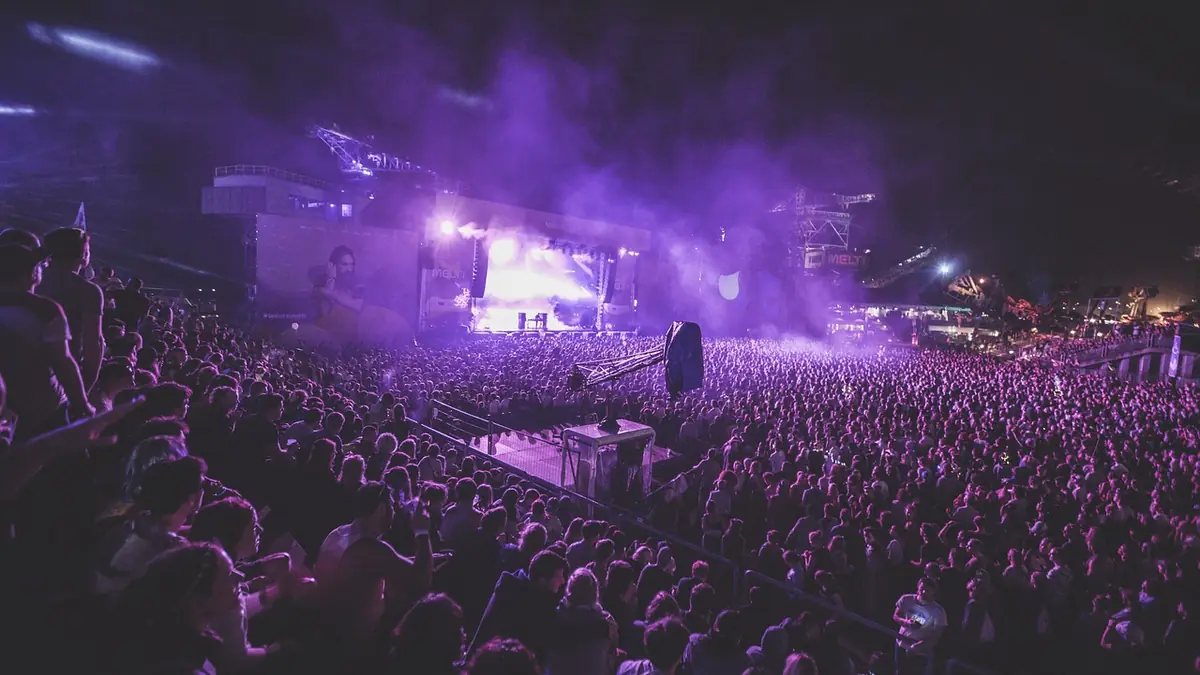
Drone events range from large industry expos with hundreds of exhibitors to informal weekend fly-ins at a local field. Whether you are a hobbyist looking for your first meetup or a commercial pilot tracking regulatory updates, the live event calendar is where the industry actually talks to itself.
This guide covers the main types of events, what they cost, what to bring, and how to get real value from attending rather than just collecting lanyards.
Why Live Events Still Matter
Online forums and video channels cover the basics well, but events put you in a room with regulators, manufacturers and working pilots at the same time. The informal conversations in the exhibit hall or at the evening social are often more useful than the formal sessions — a five-minute chat with a Part 107 examiner can resolve questions that would take weeks to untangle online.
For commercial operators, events are also where hardware gets announced and where you can physically handle airframes before committing to a purchase. Nobody should buy a $20,000 mapping drone based on a spec sheet alone.
For newer pilots, local meetups are the lowest-friction entry point. They are usually free or cheap, held monthly, and give you a chance to see how experienced pilots set up, brief and fly before you invest heavily in your own gear.
- Talk directly to regulators and examiners
- Handle hardware before you buy
- Find local flying partners and mentors
Types of Drone Events
Industry expos are the biggest category: multi-day shows with keynotes, technical sessions and large exhibit halls. They are typically aimed at commercial operators, public safety and enterprise buyers, with registration in the hundreds of dollars and travel costs on top.
Trade and manufacturer events are smaller and more focused, often half-day or one-day sessions hosted by dealers or training providers. They are good for hands-on demos and often free.
Local meetups and club fly-ins are the grassroots layer. These are usually held at a flying field or community venue, run monthly or seasonally, and cost little or nothing. Public safety summits and regulatory workshops sit somewhere in between, often hosted by aviation authorities or industry associations with a focus on compliance and operations.
- Large industry expos (multi-day, paid)
- Manufacturer and dealer demo days (often free)
- Local club meetups and fly-ins (free to low cost)
- Public safety and regulatory workshops
What to Expect and How to Prepare
At a large expo, expect to walk a lot. Comfortable shoes, a charged phone and a plan for which sessions matter to you will make the day far more productive than drifting between booths. Bring business cards if you are commercial; most useful contacts come from short, specific conversations rather than generic pitches.
For a local fly-in, preparation is different: check the event's flying rules, bring your own batteries charged and labelled, and confirm whether insurance is required. Many clubs ask visitors to sign a waiver and fly only with a spotter, and some restrict certain aircraft classes entirely.
Across all event types, the practical stuff matters: check the venue's rules on bringing drones inside, confirm parking and transit, and register early if sessions are capped. If you are travelling with equipment, pack batteries in carry-on per airline rules and keep your registration and certification documents accessible.
- Check the event's flying and equipment rules
- Bring charged, labelled batteries and your documents
- Register early for capped sessions
- Plan your must-see sessions before you arrive
Typical Costs and Time Commitment
Costs vary widely by event type. Local meetups are usually free or under $20. Regional one-day events and demo days typically run $25–$150. National industry expos commonly charge $200–$800 for a full conference pass, with exhibit-hall-only tickets often cheaper or free.
Travel and accommodation usually dwarf the ticket price. For a two-day national event, budget for flights or fuel, two to three nights of hotel, and meals — often $600–$1,500 in total depending on the city.
Time is the other cost. A large expo realistically consumes two full days plus travel; a local meetup is a half-day. Be honest about which events fit your schedule and goals rather than trying to attend everything.
- Local meetups: free to $20
- One-day regional events: $25–$150
- National expos: $200–$800 for a full pass
- Travel and hotel often exceed ticket cost
| Event type | Typical duration | Typical cost | Best for |
|---|---|---|---|
| Local club meetup | 2–4 hours | Free–$20 | Beginners, local networking |
| Manufacturer demo day | Half day | Free–$50 | Hands-on hardware demos |
| Regional one-day event | 1 day | $25–$150 | Training, regional contacts |
| National industry expo | 2–3 days | $200–$800 | Commercial operators, vendors |
| Public safety summit | 1–2 days | $100–$400 | Agency pilots, compliance |
| Regulatory workshop | Half–1 day | Free–$200 | Understanding new rules |
Getting Real Value from Attending
The pilots who get the most from events set two or three specific goals beforehand: meet a particular vendor, ask a regulator a specific question, or find a local training provider. Everything else is optional.
Take notes immediately after conversations, not at the end of the day, and follow up within a week while your name is still familiar. If you are job-hunting or building a business, ask about insurance and compliance early — Drone Insurance Costs for Small Businesses: What to Expect covers the numbers you will hear quoted.
For hobbyists, the best value is often in the flying itself. Attend a meetup, watch how others handle pre-flight checks, and compare notes on your own routine using a structured Drone Safety Checklist for Pre-Flight Inspections. If you are preparing for certification, an event is a good place to pick up study tips and compare notes on How to Prepare for the Part 107 Knowledge Test.
- Set two or three concrete goals
- Take notes right after each conversation
- Follow up within a week
- Ask about insurance and compliance early
Staying Current Between Events
Event calendars are useful, but rules change between them. Keep an eye on your aviation authority's updates and on local club newsletters for last-minute fly-ins and weather cancellations.
If you are new to the hobby, get the paperwork side sorted before your first event so you can focus on flying and meeting people. How to Register Your Drone with the FAA: A Checklist walks through the registration steps, and Drone Laws for Hobbyists: What You Need to Know covers the rules you will hear discussed at any meetup.
Finally, treat event season as part of your record-keeping. Log the sessions you attend and the flights you make at fly-ins using the guidance in Drone Flight Log Requirements: What to Record and Why.
- Check authority updates and club newsletters
- Sort registration before your first event
- Log sessions and fly-in flights
- Start with free local meetups before committing to expensive expos.
- Set two or three concrete goals for every event you attend.
- Budget for travel and hotel — they often cost more than the ticket.
- Follow up within a week while your conversation is still fresh.
Michael is a remote pilot and editor with years of experience in drone operations and regulation. He focuses on providing practical guidance to both hobbyists and commercial pilots. His aim is to make complex rules accessible to everyone.